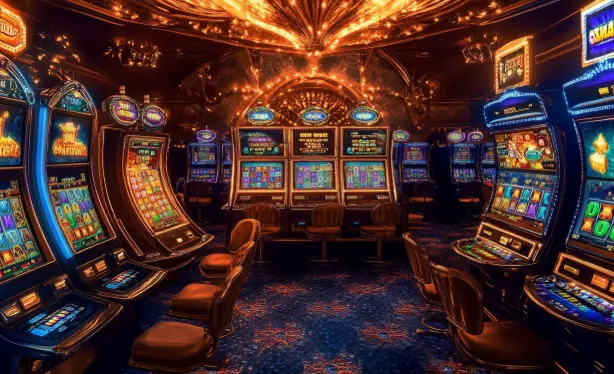
Wisconsin Low Stakes Casinos: The Real Mechanical Truth
Wisconsin's gambling framework is a Frankenstein machine, and anyone telling you otherwise is selling fantasy. The Badger State runs tribal-only Class III gaming, zero commercial casinos, and a low-stakes landscape that operates on a completely different mechanical logic than Vegas or Atlantic City. If you're hunting for Wisconsin low stakes casinos, you need to understand the hardware before you ever touch a machine.

Why Badger State Gambling Runs on Tribal Compacts
Here's the raw deal: Wisconsin has eleven federally recognized tribes running twenty-plus gaming facilities, but every single one operates under a state compact that dictates payout structures, machine classifications, and floor limits. This isn't a loophole — it's the entire architecture. The Badger State gambling guide starts and ends with compact language, because that document controls whether you're sitting at a Class II bingo-style terminal or a genuine Class III slot with real RNG certification. Most low-stakes floors in this state lean heavy on Class II machines, and the mechanical difference is massive. Class II terminals resolve outcomes through a central server drawing from a finite pool — you're not playing against a certified random number generator in the machine itself. That changes hit frequency, volatility curves, and the actual house edge you're facing.

The Penny Slot Illusion and Machine Classification
Low stakes players get baited by penny denominations thinking they're minimizing exposure. Wrong. The mechanical reality is that low-denomination machines in Wisconsin tribal properties often carry tighter theoretical hold percentages to compensate for lower coin-in volume. You're not getting a better game — you're getting a different algorithm tuned for volume throughput rather than jackpot frequency. The payout tables on these units are engineered to recycle small wagers through rapid spin cycles, and the volatility index on Class II terminals can swing wildly depending on server pool states. 🤔 If you don't know whether you're on a Class II or Class III unit, you're playing blind.
Table Minimums and the Real Low Stakes Floor
Blackjack and poker rooms at Wisconsin tribal properties typically open at five-dollar minimums during off-peak hours, with three-card poker and let-it-ride variants hitting two-dollar floors on weekday mornings. But here's the mechanical catch — table game rules in this jurisdiction frequently include dealer hits on soft seventeen, six-to-five blackjack payouts on lower-limit tables, and restricted double-down options. These rule variations aren't cosmetic. They shift the house edge by one to two full percentage points compared to standard Vegas rules. A five-dollar table with six-to-five payout is mathematically worse than a ten-dollar table paying three-to-two. The low stakes label is a marketing surface, not a mechanical guarantee.
RNG Certification and What Actually Gets Audited
Class III machines in Wisconsin tribal casinos must pass independent testing lab certification, and those certifications get renewed on fixed cycles. But the audit trail doesn't cover everything — server-based Class II systems operate under different oversight, and the pool-based outcome resolution means your individual result is a function of collective player activity, not isolated RNG draws. This is the part the brochures never explain. 💡 The machines aren't rigged, but they're absolutely engineered, and the engineering differs by classification. Low stakes players who understand this distinction can target Class III units with documented RTP percentages above ninety-four percent and avoid the server-pool terminals that mask their true volatility profile.
Where the Actual Value Sits
Promotional play and comp structures at lower-tier tribal properties often deliver better expected value than the base game itself. Free-play offers, match-play coupons, and tiered loyalty multipliers on low-denomination machines can push effective return rates above the raw RTP — but only if you track the mechanical math. The players who win consistently in this state aren't luckier; they're reading compact classifications, verifying machine types, and calculating rule-variation impacts before they ever insert a bill. 🎰 The Badger State rewards mechanical literacy and punishes casual assumption. Every low stakes floor in Wisconsin is a puzzle of classification, compact language, and rule variation — and the house edge lives in the gaps between what the signage says and what the machine actually does.