How Accessible Are Modern Casino Resorts? A Deep Dive into Universal Design Standards
The contemporary integrated resort is no longer merely a gaming floor; it is a self-contained ecosystem of hospitality, entertainment, and retail. When evaluating How Accessible Are Modern Casino Resorts?, one must analyze the architectural and operational frameworks that govern these sprawling complexes. The shift from exclusionary gambling halls to inclusive destination resorts has been driven by rigorous compliance mandates and a genuine demand for equitable guest experiences. 🎰

Architectural Compliance and ADAAG Implementation in Gaming Zones
Primary accessibility in casino resorts begins with strict adherence to the Americans with Disabilities Act Accessibility Guidelines (ADAAG) and equivalent international building codes. The density of slot machines and table games creates unique navigational challenges. Modern properties now mandate minimum clear widths of 36 inches along all primary gaming aisles, expanding to 60 inches at turning radii to accommodate bariatric wheelchairs and mobility scooters. Tactile paving and wayfinding systems with high-contrast Braille signage are now standard at elevator lobbies and restroom vestibules. 🚶
Table Game Modifications and Adaptive Gaming Terminals
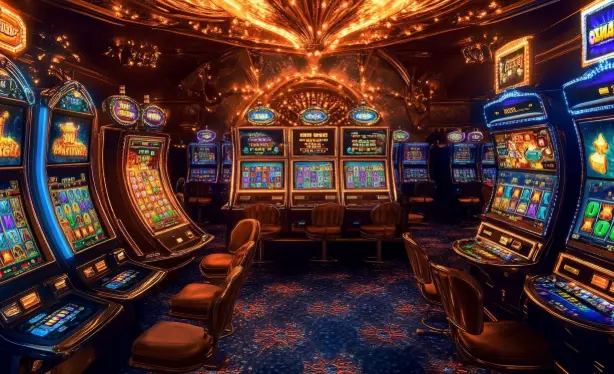
The gaming floor itself has undergone a technological metamorphosis. Height-adjustable blackjack and poker tables allow seated play for patrons using wheelchairs, with dealer protocols adjusted to accommodate card handling from a lower vantage point. Slot machine manufacturers now integrate ADA-compliant button layouts, audio jack outputs for visually impaired players, and screen magnification software. For guests with upper-limb differences, touchless card readers and sip-and-puff input devices are emerging in high-limit salons, ensuring that the thrill of the wager remains uncompromised.

Wayfinding, Sensory Rooms, and Neurodiversity Considerations
Beyond physical mobility, modern resorts address cognitive and sensory accessibility. The cacophony of slot machines, flashing lights, and crowded walkways can overwhelm guests on the autism spectrum or those with post-traumatic stress. Forward-thinking properties have introduced sensory rooms—quiet, dimly lit sanctuaries with weighted blankets and noise-canceling headphones—located just off the main casino floor. Digital wayfinding kiosks now offer multi-language interfaces, voice-guided navigation, and real-time crowd density maps to reduce anxiety and improve spatial orientation. 🧭
Guest Room and Amenity Accessibility: Beyond the Casino Floor
Accessibility extends far beyond the gaming pit. Hotel towers feature roll-in showers with fold-down benches, lowered closet rods, and visual alarm systems for deaf guests. Pool decks utilize zero-entry ramps and aquatic wheelchairs. Even the high-end retail promenade ensures that fitting rooms and checkout counters meet reach-range standards. Valet and shuttle services deploy wheelchair-accessible vehicles with trained staff certified in safe transfer techniques. The objective is a seamless continuum of access from porte-cochère to penthouse suite.
Staff Training and Cultural Competency as Accessibility Infrastructure
Physical infrastructure alone is insufficient. The human element—dealer sensitivity, security protocols, and concierge knowledge—determines the actual accessibility of a venue. Leading operators now mandate annual training on interacting with guests who have invisible disabilities, such as chronic pain or hearing loss. Security teams are trained to assist with service animals, while cage cashiers understand procedures for third-party power of attorney for guests with cognitive impairments. This cultural shift transforms compliance into genuine hospitality.
Technological Integration: Apps, AI, and Remote Accessibility
The digital frontier of accessibility lies in mobile applications that allow guests to pre-plan routes, reserve accessible seating, and even place bets from a wheelchair without traversing the entire floor. AI-powered chatbots provide instant answers regarding elevator locations, accessible restroom codes, and sign language interpreter availability. Some jurisdictions now permit remote gaming from accessible hotel rooms, ensuring that patrons with severe mobility restrictions can participate fully without navigating crowded corridors. 📱
Regulatory Oversight and the Future of Inclusive Resort Design
Gaming control boards and disability rights organizations increasingly collaborate on unannounced audits. Penalties for non-compliance range from fines to license suspension, creating a powerful incentive for continuous improvement. The next decade will witness the rise of universal design principles—where accessibility features are indistinguishable from mainstream aesthetics—and the integration of smart building sensors that adapt lighting and acoustics in real time to individual guest preferences. The modern casino resort is not merely accessible; it is evolving into a paradigm of inclusive luxury.